
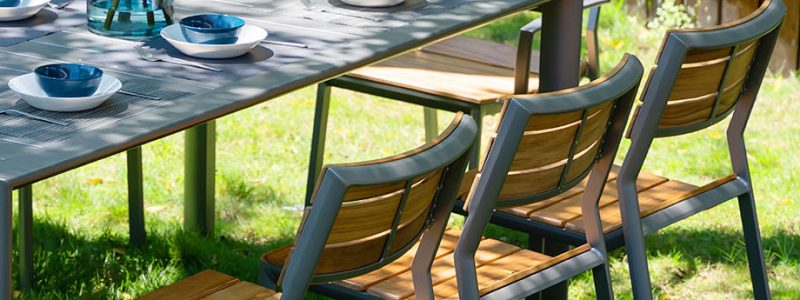
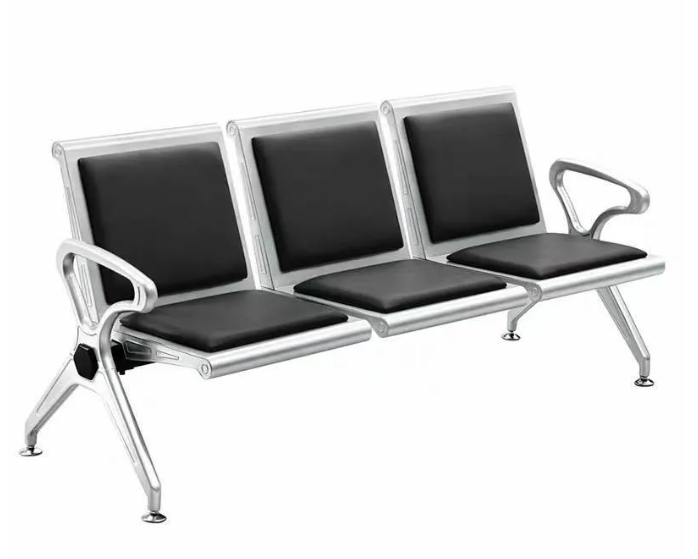
Public seating plays a vital role in various communal spaces, from parks to airports. A simple row of seats can offer people a place to rest, making these areas feel more accommodating and thoughtful. Choosing the right public seating can significantly enhance the user experience and create a more inviting environment. Here are some tips on how to select high-quality public seating.

1. Consider the Material
The material of the seating is crucial for durability and comfort. Common materials used for public seating include stainless steel, aluminum alloy, iron, and steel. Each material has its pros and cons:
- Stainless Steel and Aluminum Alloy: These materials are durable, rust-resistant, and easy to clean. They are ideal for outdoor and high-traffic areas due to their longevity and low maintenance.
- Iron and Steel: While also durable, these materials can be prone to rust if not properly treated. They are often more affordable and can be a good choice for indoor use.
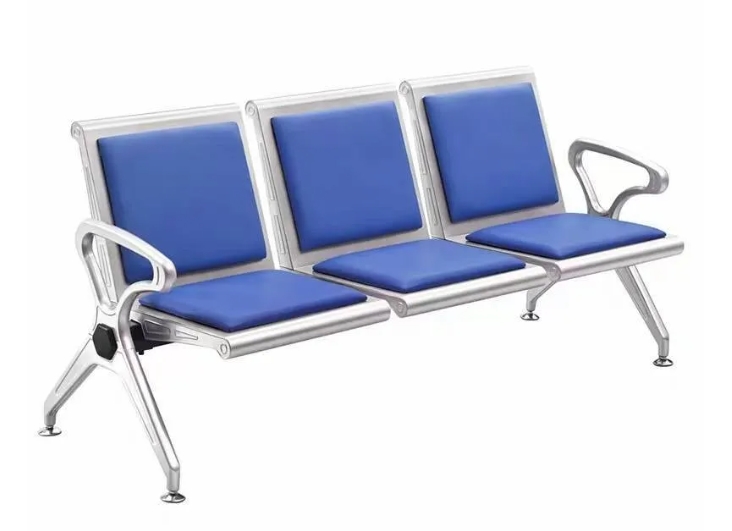
- PU and Upholstered Seating: Seats with PU (polyurethane) or other types of padding offer greater comfort. They are easier to clean than fabric and provide a more comfortable sitting experience, making them ideal for places like airports and waiting areas.
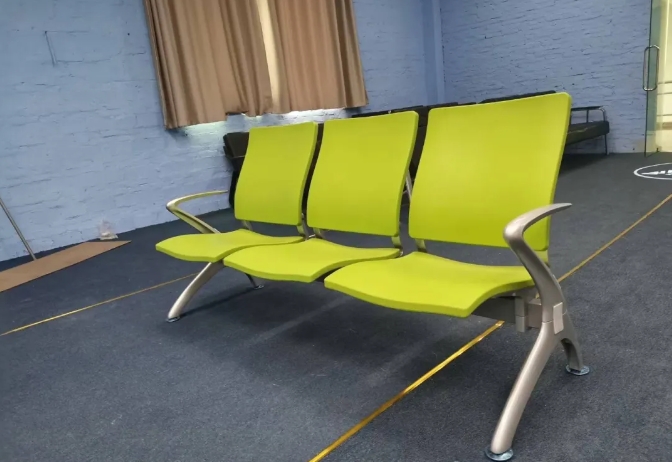
2. Durability and Maintenance
Public seating needs to withstand constant use and various weather conditions. Here are some factors to consider:
- Weather Resistance: For outdoor seating, ensure the materials are treated to resist rust, corrosion, and UV damage.
- Maintenance: Choose materials and designs that are easy to clean and maintain. Removable cushions or replaceable parts can help extend the lifespan of the seating.
3. Comfort and Ergonomics
Comfort is key, especially for people who may sit for extended periods. Consider the following:
- Ergonomic Design: Seats should support the natural curvature of the spine and provide adequate lumbar support.
- Padding and Cushioning: PU or padded seating is more comfortable than hard surfaces, reducing fatigue and discomfort.
4. Inclusivity and Accessibility
Public seating should be accessible and comfortable for everyone, including the elderly, children, and people with disabilities. Features to look for include:
- Varying Seat Heights: Different heights can accommodate people of different ages and mobility levels.
- Armrests and Backrests: These provide additional support and make it easier for people to sit and stand.
- Space for Wheelchairs: Ensure there is enough space for wheelchair users to sit comfortably next to the seating.
5. Aesthetic and Design
The design of the seating should complement the environment and reflect the overall aesthetic of the space. Consider the following:
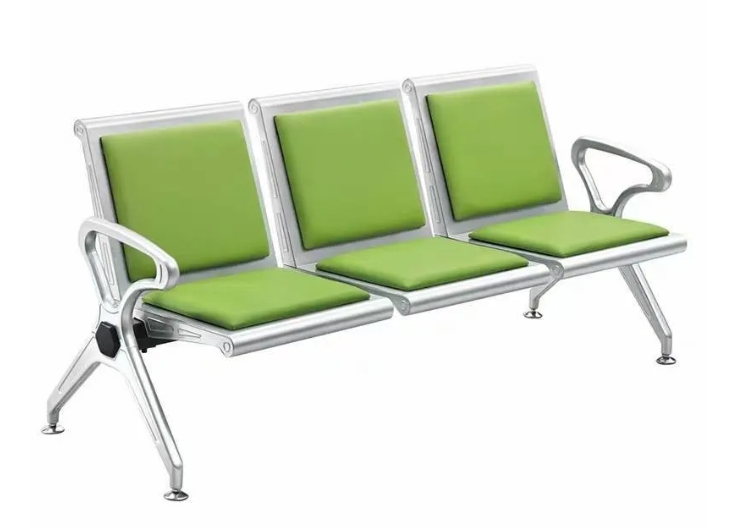
- Color and Style: Choose colors and styles that blend well with the surrounding architecture and landscape.
- Customization: Some manufacturers offer customizable options to better fit the specific needs and style of the space.
6. Cost and Budget
While it’s important to invest in high-quality seating, it’s also essential to stay within budget. Consider:
- Cost vs. Longevity: Higher upfront costs for durable, high-quality materials can result in lower maintenance and replacement costs over time.
- Bulk Purchasing: Buying in bulk can often lead to discounts, making it more cost-effective for larger projects.
Creating inclusive and comfortable public spaces requires thoughtful consideration of the seating provided. By focusing on durability, comfort, accessibility, and design, we can transform public areas into welcoming environments for everyone. As urban planners and community developers, we should strive to create spaces that not only meet practical needs but also enhance the quality of life for all users.
At B&B Living Pte. Ltd., we specialize in designing and providing high-quality public seating solutions that cater to diverse needs and environments. Visit us at B&B Living Pte. Ltd to discover how our products can enhance your public spaces.


